
Guest Episode
Ep. 214 · Apr 26, 2026
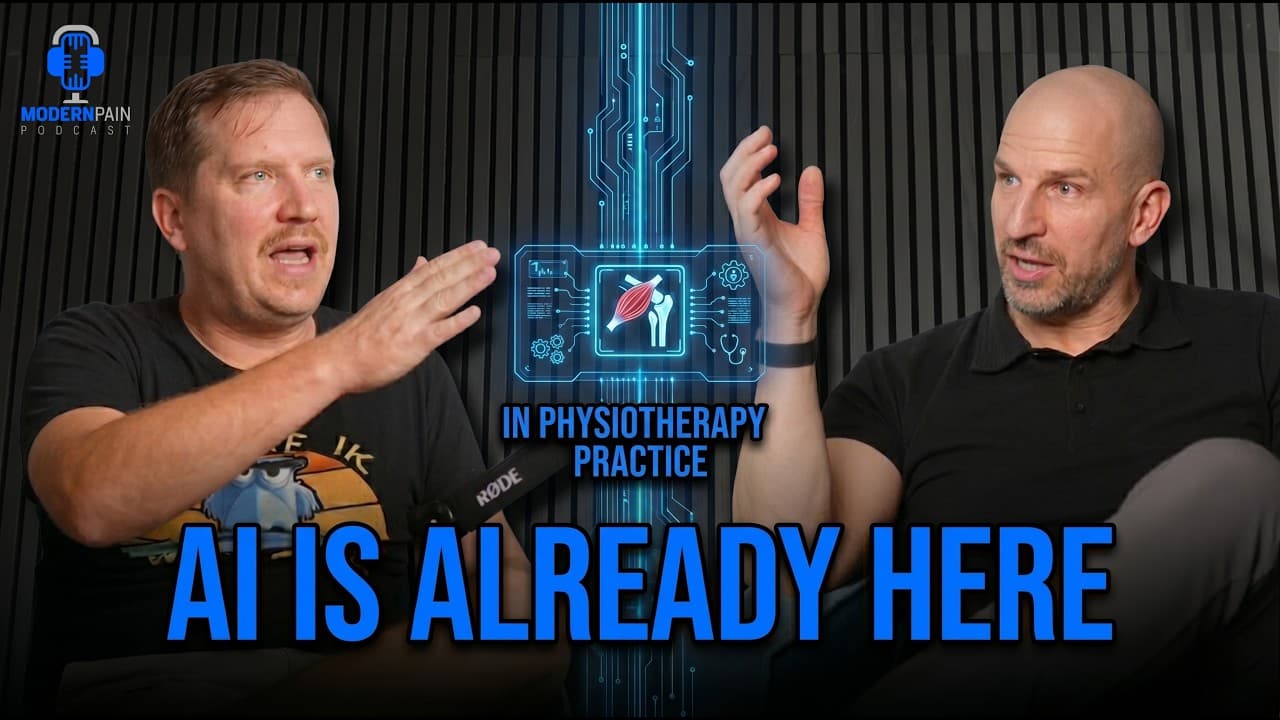
AI Is Already Running MSK Services. Are PTs Ready?
ACT & Behavior Change
Evidence-based practice has a blind spot: not in the research itself, but in how we rank one form of knowledge above all others. In this episode, I sit down with physiotherapist and PhD candidate Matt Low to unpack what he calls epistemic fluency, the ability to move between different forms of clinical knowledge depending on what the situation actually requires. We cover why population-based research gives you a map but not your patient's territory, how Aristotle's three forms of knowle...
Evidence-based practice has a blind spot: not in the research itself, but in how we rank one form of knowledge above all others.
In this episode, I sit down with physiotherapist and PhD candidate Matt Low to unpack what he calls epistemic fluency, the ability to move between different forms of clinical knowledge depending on what the situation actually requires. We cover why population-based research gives you a map but not your patient's territory, how Aristotle's three forms of knowledge apply directly to clinical reasoning, and why the biopsychosocial model functions better as an analytical tool than a practice guide.
We also dig into the Back Cafe — a 3-arm RCT on lumbar spinal fusion rehab that compared a progressive training program, a video program, and a social cafe setting run by a senior physiotherapist. At the 2-year follow-up, the back-cafe group outperformed the training group on pain and beat both other groups on daily task performance. The study raises hard questions about what the active ingredient in rehabilitation actually is.
This is Part 1 of 2.
LINKS
Subscribe & Follow
Never miss an episode — listen wherever you get your podcasts.
Join the Conversation
Ep. 214 · Apr 26, 2026
Ep. 212 · Apr 5, 2026
Ep. 211 · Mar 8, 2026